

DOER OF THE MONTH
Taiye Godbody
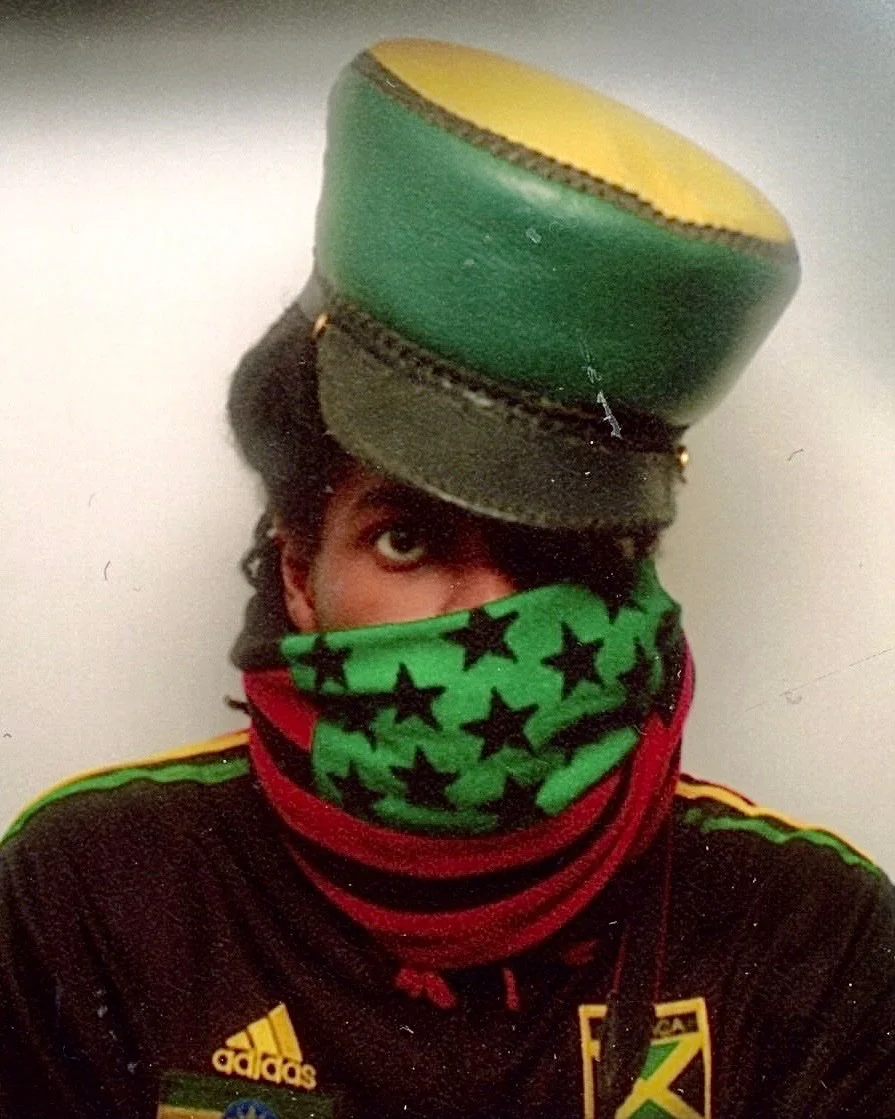
Who is Taiye beyond the canvas? How would you describe yourself as an artist and lightbender, and how do the different ways you bring your art to life fit into your overall vision?
Beyond the camera and the canvas, I see myself as a
student of life.
I’m constantly looking for opportunities to learn, experience the world, experiment with things I haven’t tried before, travel, and connect with people. Art is really an extension of those experiences and of who I am.
A major part of my perspective comes from my diasporic upbringing and heritage. My mother is from Ethiopia and Benin, representing East and West Africa, while my father is from Jamaica and Brooklyn, connecting the Caribbean and Black America. Growing up with all of these different ways of experiencing Black culture has shaped how I see the world. Whether I’m working through photography, filmmaking, sculpture, or other creative mediums, all of those influences ultimately find their way into what I create.
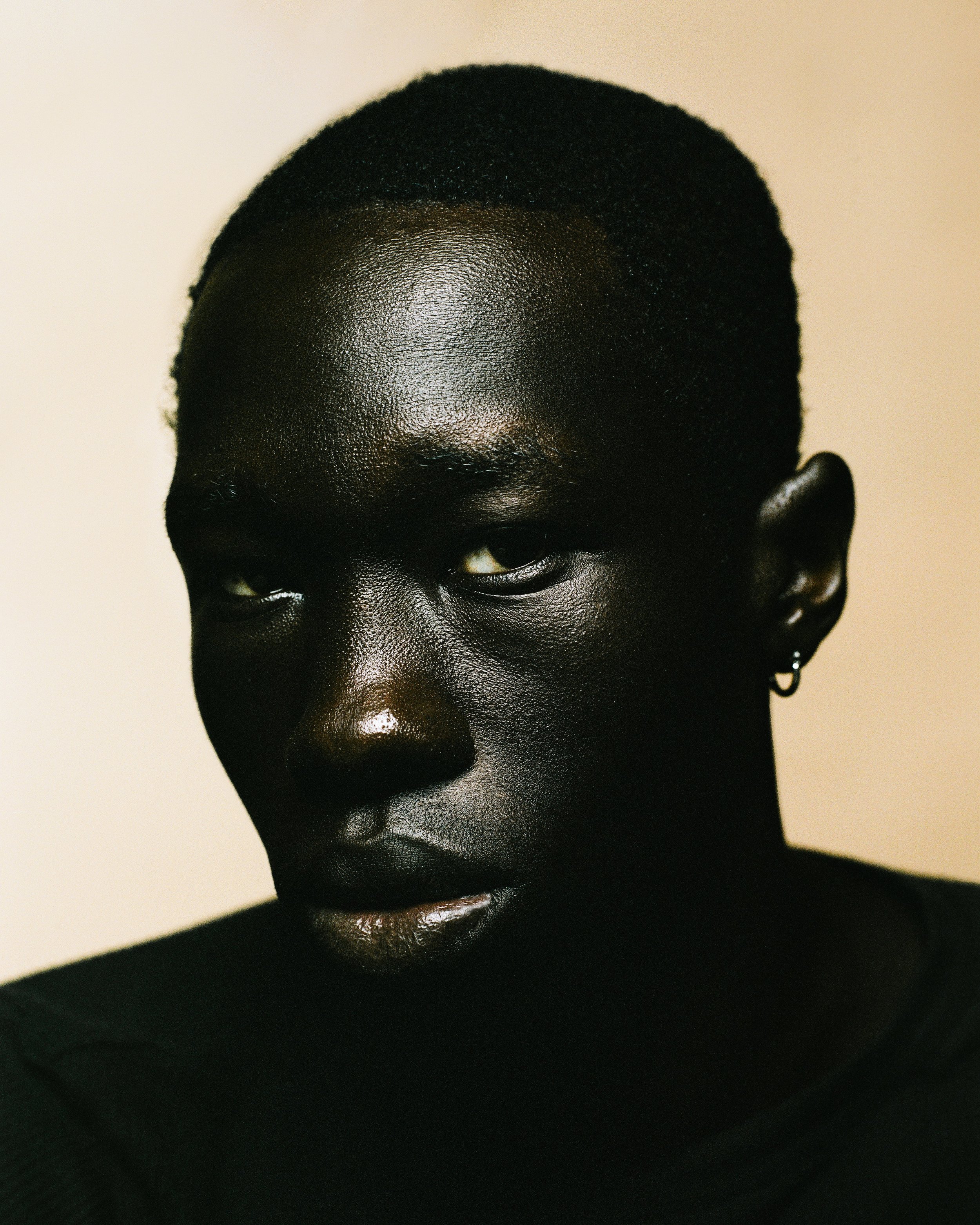
2. What message or feeling are you hoping people take away from your art, and what experiences in your life pushed you toward telling those stories through your creativity?
At the core of my work is the belief that both the viewer and the creator are worthy, and that there is dignity in our shared experiences. A major part of my artistic mission is to redefine the Black self-image while ultimately working to
bridge the gap between the diaspora
that colonial history has created.
I believe that people across the diaspora are often much more alike than we realize. Many of the divisions and “diaspora wars” we see come from a lack of understanding rather than genuine malicious intent. Traveling has made that especially clear to me. Living in Ghana and later visiting Jamaica, Kenya, the Caribbean, and other places, I’ve found myself seeing the same people in different bodies, hearing similar music, seeing familiar dances, eating similar foods, and recognizing shared ways of life.
Those experiences have made me feel like there are people who are essentially brothers and sisters who don’t even realize how connected they are. I want my art to use what I’ve experienced and observed to help reveal those connections and bring people closer together.
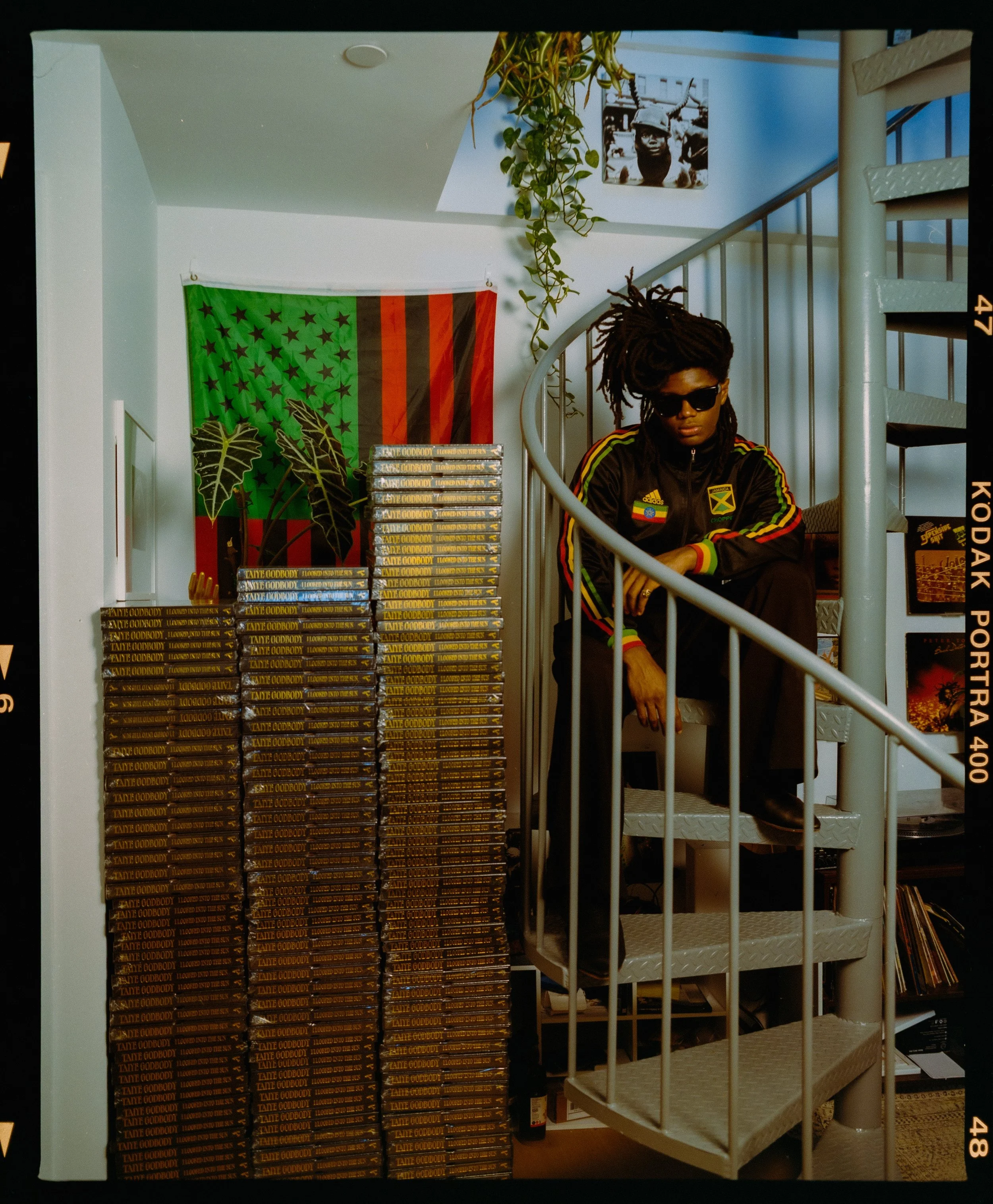
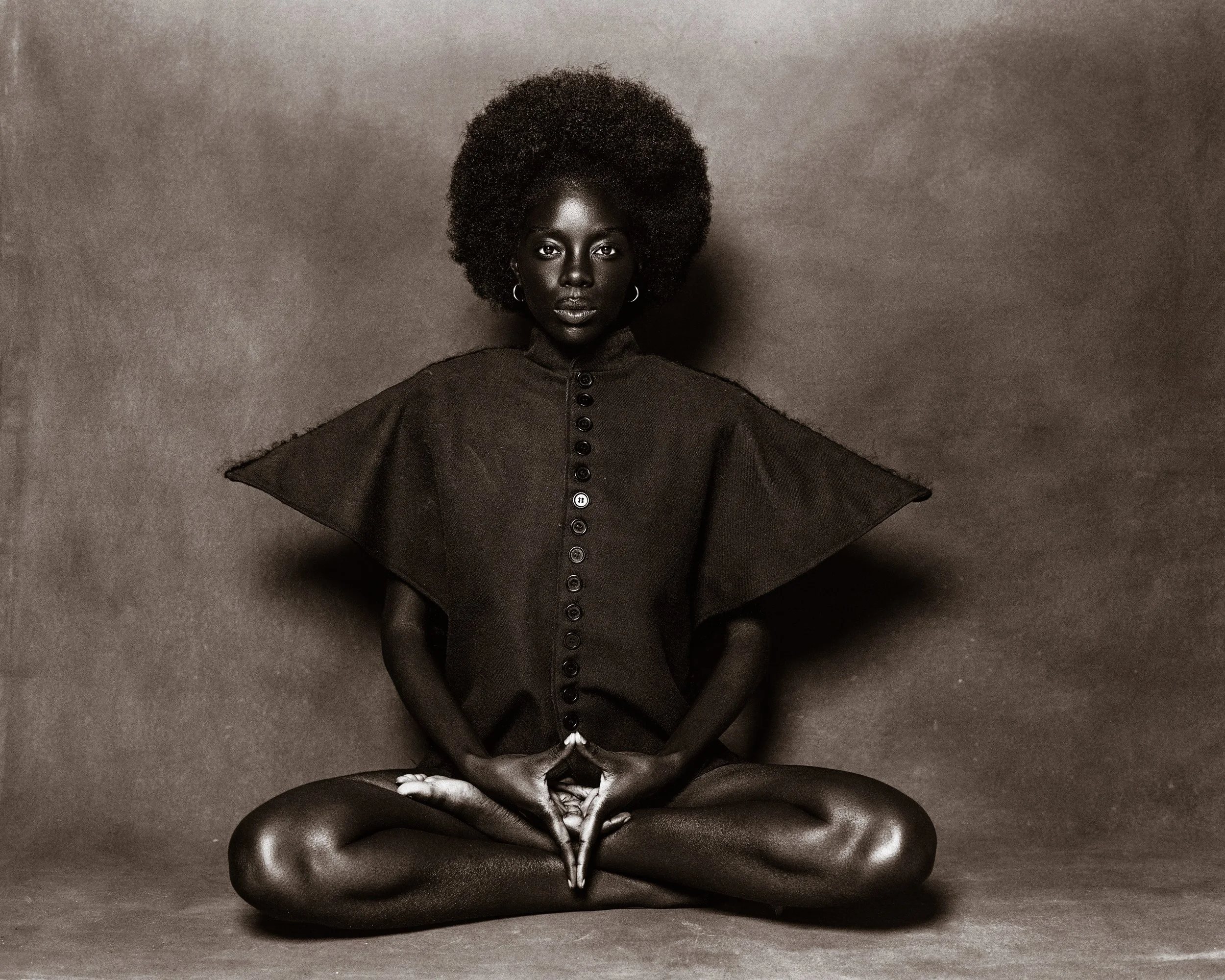
3. Coming off the release of I looked into the Sun & your recent exhibit, what is the message that you are trying to capture by bringing your piece(s) to the physical world? And what did it feel like to pull off something that impactful?
There were two major motivations behind bringing my work into the physical world. First, I’m tired of our work being forced to exist exclusively in cyberspace. I believe the future is analogue, and that the things we want to preserve and remember have to be experienced in a tangible way.
The second motivation is more personal. I’m at a point in my life where so much is changing, and things are moving faster than I could have imagined. Creating the book was a way for me to preserve how I viewed my craft as a young artist and as a young man. I want to be able to look back 10, 20, or 30 years from now and remember what mattered to me when I was first creating this work. As money, status, responsibilities, and other factors become part of my life, I want this work to serve as something that can recalibrate me and remind me of my original purpose.
Bringing the idea into reality was surreal because it had existed in my mind for so long. There’s an immense spiritual satisfaction that comes from taking an idea and actually bringing it into the world. At the same time, there's a tendency, especially for young black creatives, that once you achieve something or you make it to a big room, to be like, I can't believe it. But the thing is,
I can believe it because I put in the work.
I know how much research, intention, and depth went into the work, and I believe it rewards closer inspection. So when people eventually recognize it, I see it less as them giving me an opportunity and more as them finally catching up to what I already knew was there.
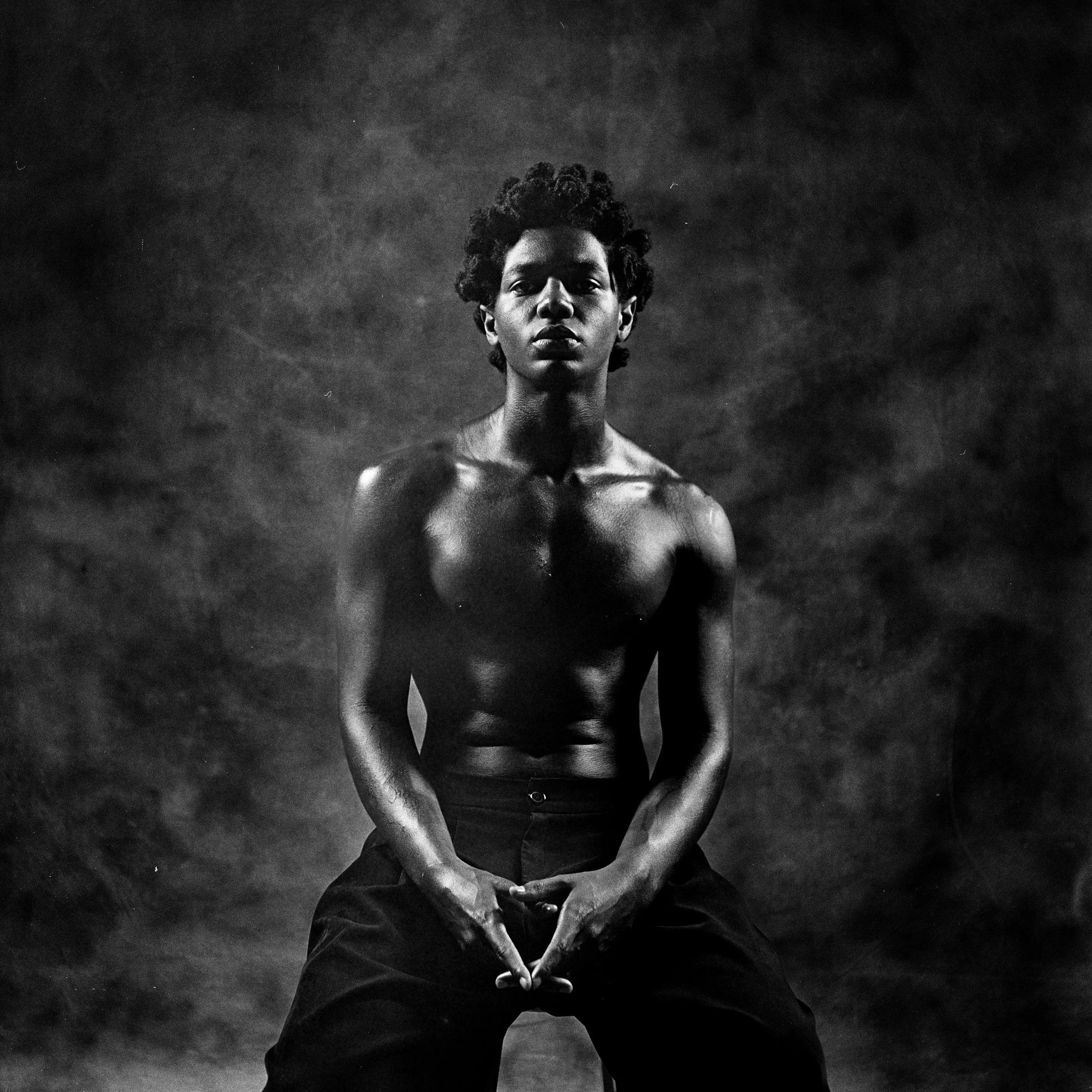
4. Was there ever a time when you questioned continuing as an artist? What kept you going, and what helped you reconnect with your purpose?
I’ve never really questioned whether I was an artist, but there have been periods where I questioned my motivation and felt less connected to the drive behind the work. During those moments, my community and my family have been a huge source of motivation. Hearing people tell me how my work has personally affected them reminds me of why I create.
I’m also fortunate to be surrounded by people who are constantly pushing themselves, creating, and elevating their own work. Seeing people like Steez, Robert, Assane, Ahmad, musty, jabari, stanley and others achieve things motivates me to keep moving as well. It isn’t envy, more so it’s a healthy sense of competition and accountability. I don’t want to fall behind, so seeing the people around me creating pushes me to create too. We genuinely celebrate each other’s successes, and that kind of community is one of the biggest things that keeps me going.
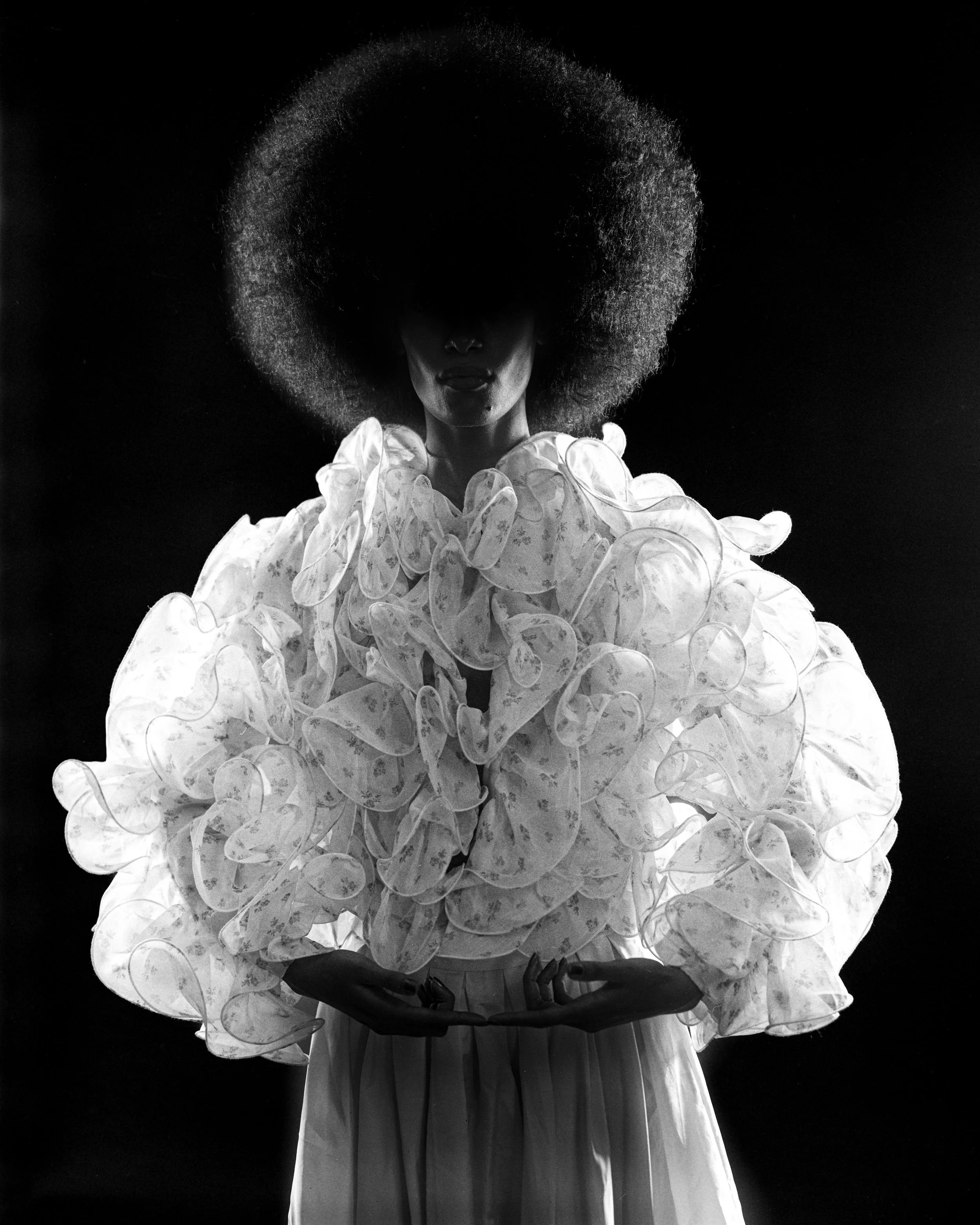
5. Are there any other areas you’d like to explore, whether creatively, professionally, personally etc? If so, what? If not, how do you want to evolve in your current endeavors?
I’m primarily interested in expanding my creative expression into different mediums. Recently, I’ve been experimenting with sculpture and developing more as a filmmaker. I’m still a novice in those areas, but that’s part of what excites me. I recognize that there’s so much I have yet to learn, and I enjoy being in that position of discovery.
I’m also focused on developing myself as an entrepreneur and learning the art of business. I’ve realized that if I want to sustain myself creatively, access more resources, and continue making the things I want to make, I have to understand how to build something sustainable around my work. I’ve developed a much greater appreciation for the art of the deal and for understanding how to present myself and my work as a viable service or product.
That’s also influenced my education. I changed my minor to entrepreneurship and have been taking courses focused on creative entrepreneurship, including how to pitch yourself, price your work, work with institutions, pursue grants, and understand intellectual property. Learning how to navigate those areas has become an important part of my evolution as a creative.
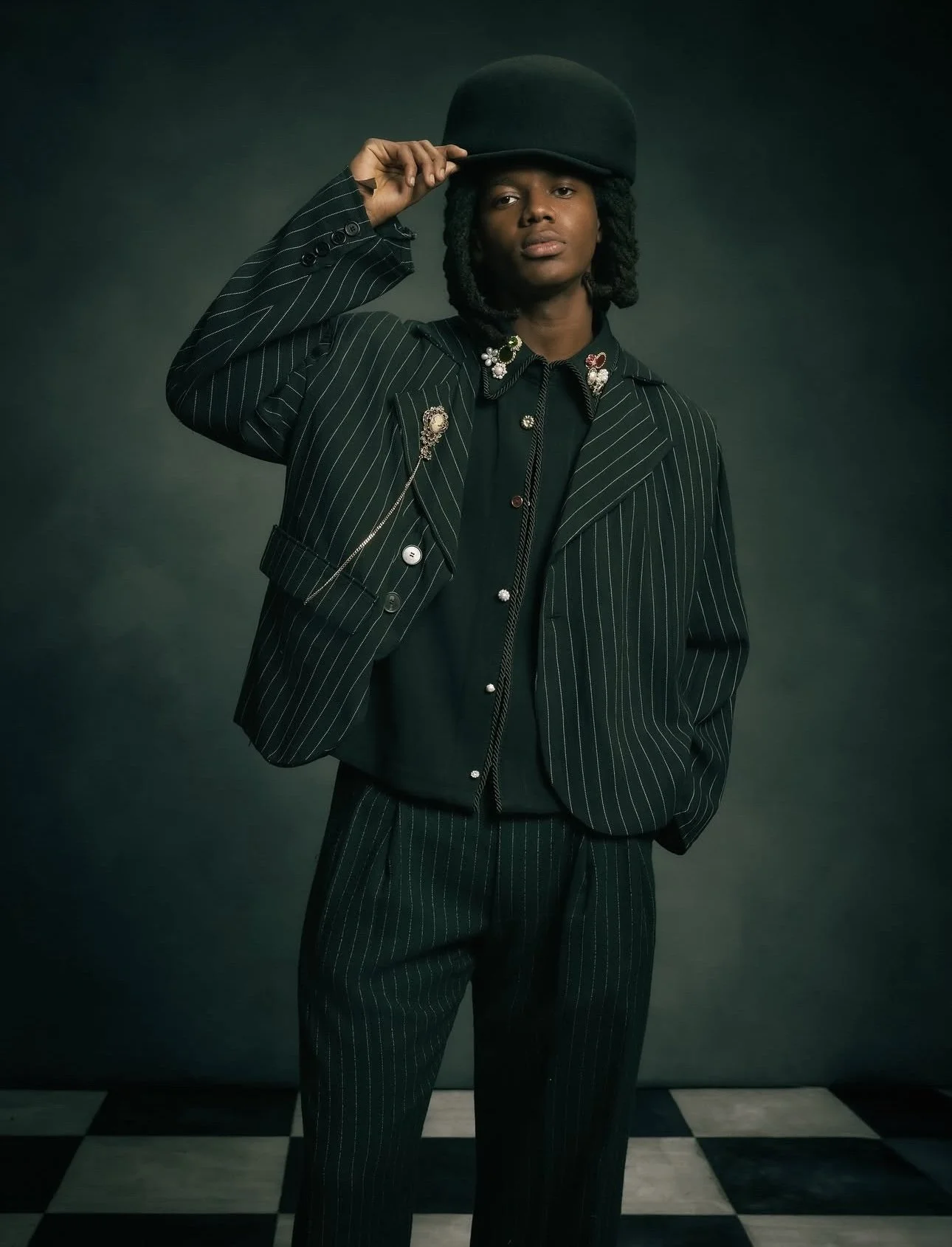
6. What is a dreamer and doer to you?
I really love the name Dreamers N Doers because it represents the two sides of what it means to be a creative. Dreaming is an imperative step to any achievement because you have to be able to see something in your mind and believe that it’s possible before you can bring it into reality.
But a dream means nothing without action. Too many people have
dreamed great ideas and have died with those ideas
because they never brought them to life. To me, a doer is someone who can execute, follow through, and finish. I take a lot of pride in being a finisher and an executor. I don’t want to be someone who simply has an idea and allows it to die in my head, I have to see it through.
At the same time, doing without dreaming can lead you toward a life built purely around practicality, without enough risk or imagination. I think you need both sides of the coin. You have to be willing to dream beyond what seems immediately possible while also having the discipline to do the work necessary to make that dream real.